
Enjoy a full years subscription of Healthy Revelations and discover life-changing health secrets you won't find anywhere else.
- $240 Yearly Value

- How To Lose Weight Fast
- Healthy Eating
- Stress Relief
- Disease Prevention
- Doctor Recommendations
- Seasonal Health Tips
- And More...
Exercise Articles
Fitness for All: Pilates Moves to Help You Get Bikini Ready
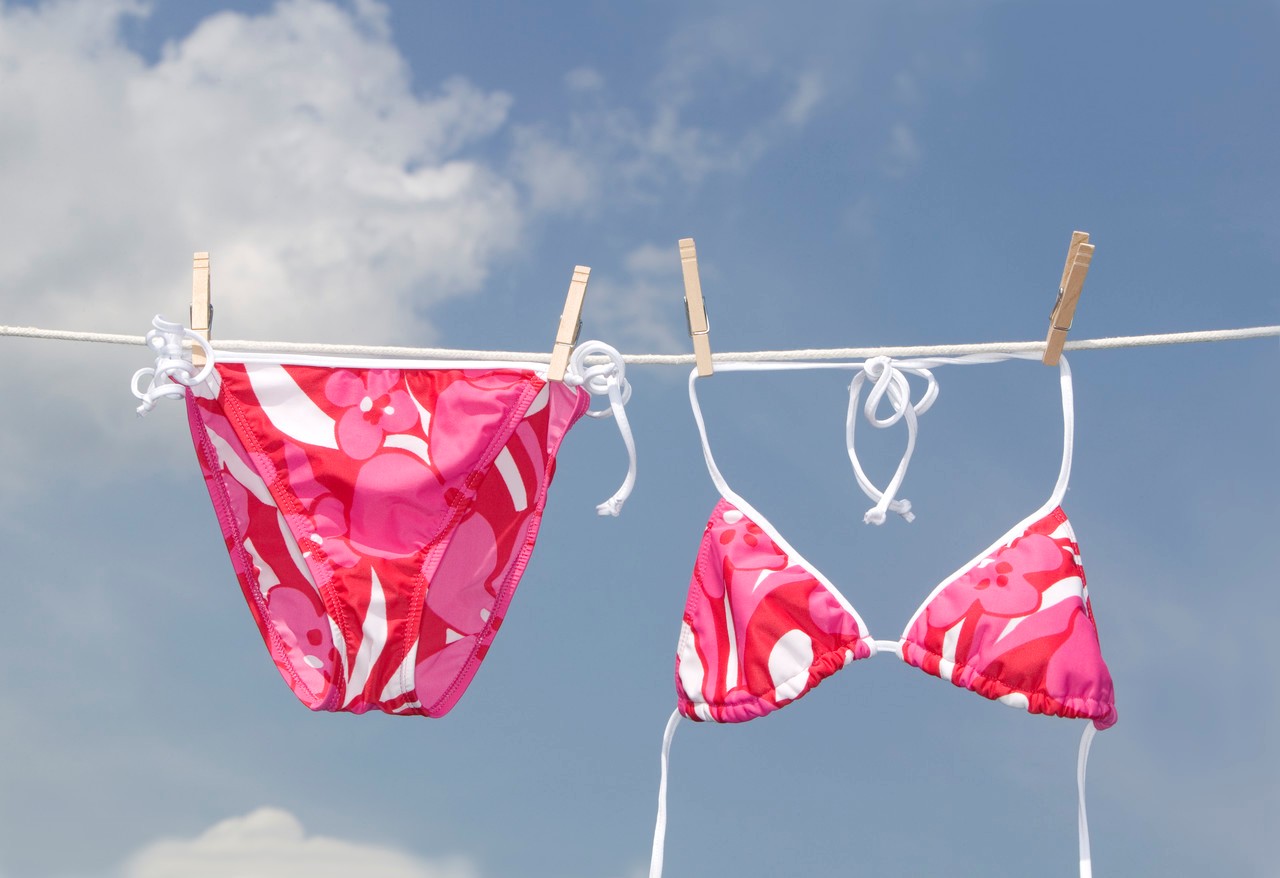
Pilates is one of the best ways to tone the hips, thighs, waist and abs… all places that you want tone when you are donning your bikini on the beach this summer.
Here are some Pilates moves that you should be doing for that beach bod…
“The Hundred” - Start lying on your back and lift your legs 45 degrees off the mat and lengthen out through your arms as you lift your head, neck, and shoulders off the floor. Pump your arms vigorously up and down five times on an inhalation and five times on an exhalation. Repeat 10 times for 100 pumps.
“Single-leg circles” - Start lying on your back and lift your right leg up and keep your body still as you make 8 clockwise circles, then 8 counter-clockwise. Repeat with your left leg.
“Single-leg straight-leg stretch” - Start lying on your back and lift your head, neck, and shoulders up. Kick your left leg straight up and pull twice with your hands as you lengthen your right leg, then switch and pull the right leg. Continue alternating legs for 8 reps.
“Double leg stretch” - Pull your knees to your chest and lift your head and neck off the floor. Extend your arms overhead and your legs out to 45 degrees, then circle your arms around and pull your knees back in to your chest. Repeat 8 times.
“Small circles” - Start lying on your side with your legs slightly in front of your hips. Lift your top leg a few inches, turn your toes up to the ceiling. Circle your leg forward 8 times then backwards 8 times, making tiny circles. Don’t let your body rock at all–stay solid in your center. Repeat on the left side.
Fitness for All: Easy At-Home Workouts
Summer is almost here and whether we like to admit it or not, many people spend less time at the gym once the spring weather arrives.
But you can still get a decent work out in just by doing some simple exercises at HOME!
Here are a few to get you started:
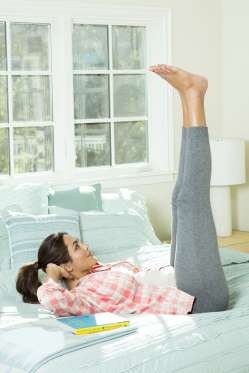
“In Bed Abs” - Lie on your back with your legs raised, knees straight; bring your belly button toward your spine. Lace your fingers behind your head and curl your shoulders up. Exhale and draw your abs in as you crunch toward your thighs, reaching for your feet. Inhale and drop one to two inches, then crunch again. Repeat 20 times.
“Lower Body Barre” - Stand tall with your feet in first position—heels together, toes no more than six inches apart. Bend your knees softly, then extend your left leg back, with your toes pointed and the inside of your big toe touching the ground. Lift your back leg slightly, pushing your hips forward in opposition. Pulse your leg upward as far as you can (you shouldn't feel pain in your lower back). Continue pulsing for eight counts, working up to 16. Then switch sides.
“Couch Potato Core” - Sit on the edge of the couch and lean back onto your elbows, hinging at the hips. Stretch your legs toward the floor in front of you, with your knees straight, toes pointed, and heels about six inches from the ground. Pull your belly button toward your spine and, moving from your hips, kick your feet up and down. Focus on small, controlled, quick movements. (To make it easier, you can bend your knees so they're at a 45-degree angle.) Count to 25, rest, and repeat three times.
Fitness for All Lose Weight a Work
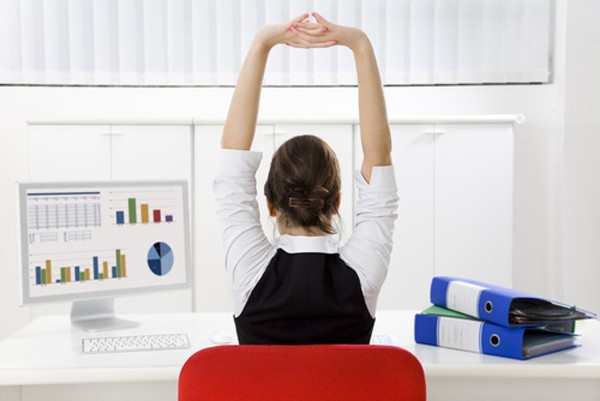
You are there at least 8 hours a day (if not more) so why not try and do everything you can to change your diet and fitness routine while you are there? Here are some simple ways to lose weight at work.
- Don’t miss breakfast. We have heard it all before, but in order to lose weight make sure you are packing a powerful protein for that first meal of the day.
- Pack your lunch. When you pack your lunch, you are in complete control of portion sizes, if you go out to lunch you are more than likely to overeat and have unnecessary calories.
- Walk on your lunch break – or at least half of it. Instead of taking your entire lunch hour eating, take a half an hour to eat and a half an hour to get out and exercise. Try a brisk walk to help you lose weight and burn stress, too.
- Keep a food journal. That way you are determining how many calories you are taking in during the day. Many people fail to realize how many calories they are ingesting in a single day until they actually start writing it down and logging it.
- If possible, leave your car at home. People who walk or bike to work have a lower risk of being obese. If you take a bus to work, get off a few stops before your stop and walk the rest of the way. If you must take a car, park at a parking lot away from your building and get some extra cardio in before your work day even starts.
- Wear a pedometer. During the day, shoot for 10,000 steps or approximately 5 miles. Use the stairs instead of the elevator a few days a week or walk to a coworker’s desk instead of sending them an email.
- Walk around during the day. While your boss may frown on you doing this many times during the day, if you get up a few extra times a day you will burn more calories than staying sedentary for your full eight-hour shift.
- Get a headset and pace in your office when you are on the phone. Many people who work in an office don’t realize how many hours they spend on the phone… utilize this time by burning some calories while on the phone.
Fitness for All March Madness: 31-Day Walking Challenge
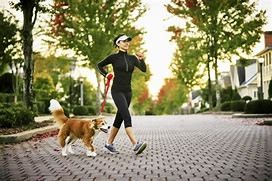
It’s officially March Madness season, so why not kick off this month with a 31-day Walking Challenge? This challenge can be done by itself or in addition to other exercises or workouts that you currently do each day.
Happy Walking!
Day 1: Walk 1 mile
Day 2: Walk 1 mile
Day 3: Walk 1 mile
Day 4: OFF
Day 5: Walk 1 mile
Day 6: Walk 1 mile
Day 7: Walk 1 mile
Day 8: OFF
Day 9: Walk 1.5 miles
Day 10: Walk 1.5 miles
Day 11: Walk 1.5 miles
Day 12: OFF
Day 13: Walk 1.5 miles
Day 14: Walk 1.5 miles
Day 15: Walk 2 miles
Day 16: OFF
Day 17: Walk 2 miles
Day 18: Walk 2 miles
Day 19: Walk 2 miles
Day 20: OFF
Day 21: Walk 2 miles
Day 22: Walk 2.5 miles
Day 23: Walk 2.5 miles
Day 24: OFF
Day 25: Walk 2.5 miles
Day 26: Walk 2.5 miles
Day 27: Walk 2.5 miles
Day 28: OFF
Day 29: Walk 3 miles
Day 30: Walk 3 miles
Day 31: Walk 3 miles
Enjoy a full years subscription of Healthy Revelations and discover life-changing health secrets you won't find anywhere else.
- $240 Yearly Value
- How To Lose Weight Fast
- Healthy Eating
- Stress Relief
- Disease Prevention
- Doctor Recommendations
- Seasonal Health Tips
- And More...