
Enjoy a full years subscription of Healthy Revelations and discover life-changing health secrets you won't find anywhere else.
- $240 Yearly Value

- How To Lose Weight Fast
- Healthy Eating
- Stress Relief
- Disease Prevention
- Doctor Recommendations
- Seasonal Health Tips
- And More...
FEATURED ARTICLES
- Details
- Written by Lisa Jillanza
According to Men’s Health Magazine, good old mom may have had it all wrong when she offered us a glass of warm milk to help aide our sleeping. The protein in milk could actually boost alertness rather than calm it.

Instead, the magazine’s experts offer the following snacks to induce “feel-good relaxation chemicals” thereby calming your nerves and slowing your brain down towards relaxation: nonfat popcorn, oatmeal with sliced bananas, one cup of plain yogurt with two tablespoons mixed nuts, sesame seeds, pretzels, 4-oz. glass of unsweetened cherry juice, and red bell peppers.
Not only is a good night’s rest good for your overall well-being, but it is also helpful to keep a youthful appearance and will it will also help you to feel younger, too.
So, pass on the glass of warm milk tonight and opt for any of the above snacks for that peaceful night’s sleep. Good night!
- Details
- Written by Lisa Jillanza
Pilates is one of the best ways to tone the hips, thighs, waist and abs… all places that you want tone when you are donning your bikini on the beach this summer.
Here are some Pilates moves that you should be doing for that beach bod…

“The Hundred” - Start lying on your back and lift your legs 45 degrees off the mat and lengthen out through your arms as you lift your head, neck, and shoulders off the floor. Pump your arms vigorously up and down five times on an inhalation and five times on an exhalation. Repeat 10 times for 100 pumps.
“Single-leg circles” - Start lying on your back and lift your right leg up and keep your body still as you make 8 clockwise circles, then 8 counter-clockwise. Repeat with your left leg.
“Single-leg straight-leg stretch” - Start lying on your back and lift your head, neck, and shoulders up. Kick your left leg straight up and pull twice with your hands as you lengthen your right leg, then switch and pull the right leg. Continue alternating legs for 8 reps.
“Double leg stretch” - Pull your knees to your chest and lift your head and neck off the floor. Extend your arms overhead and your legs out to 45 degrees, then circle your arms around and pull your knees back in to your chest. Repeat 8 times.
“Small circles” - Start lying on your side with your legs slightly in front of your hips. Lift your top leg a few inches, turn your toes up to the ceiling. Circle your leg forward 8 times then backwards 8 times, making tiny circles. Don’t let your body rock at all–stay solid in your center. Repeat on the left side.
- Details
- Written by Lisa Jillanza
- Besides being made up of nearly 90% water, watermelons are also a great source of significant vitamins and minerals.
- It is chock full of a considerable amount of vitamins A and C. It contains thiamine, riboflavin, vitamin B6, folate and niacin in small amounts.
- It is a great source of potassium, and also contains magnesium, calcium, phosphorous and iron in trace amounts.
- Watermelon is also very low in calories, free of fats and cholesterol and is rich in carotenoids.

Recipe: Grilled Scallop and Watermelon Kebabs
- 12 sea scallops
- 4 cups boiling vegetable or chicken broth
- 24- 1”x1” watermelon cubes
- ¼ cup soy sauce
- 1 teaspoon sesame oil
- 1 tablespoon minced garlic
- 1 tablespoon fresh minced ginger
Cut the scallops into halves across the diameter to create half-moon shapes. Place them in a heatproof casserole dish in a single layer. Pour the boiling clear broth over the scallops and let them poach for 5 minutes. Drain and cool the scallops. On each skewer alternate one half-moon scallop, then two watermelon cubes, then one half-moon scallop. Mix together the remaining ingredients and brush the kebabs as they are grilled over a medium-hot grill for 90 seconds per side, turning only once. Serve warm.
Recipe: Cajun Chicken with Watermelon Mint Salsa
2 tablespoons vegetable oil
2 tablespoons granulated garlic
2 tablespoons mild chili powder
2 tablespoons ground cumin
2 tablespoons sweet paprika
6 boneless, skinless chicken cutlets
Mix together the spices. Coat the chicken cutlets with the spice mixture. Heat a non-stick skillet over medium high heat and place chicken in pan. Blacken on both sides and sauté just until cooked through. Top with Watermelon Mint Salsa and serve immediately.
Watermelon Mint Salsa
- 2 cups chopped seedless watermelon
- 2 tablespoons lime juice
- 1 cup diced seeded tomato
- Minced seeded jalapeno to taste
- 1 tablespoon minced fresh cilantro
- 1 tablespoon minced fresh mint
- ½ cup chopped fresh scallion
Toss ingredients together, cover and refrigerate until ready to serve.
- Details
- Written by Lisa Jillanza
Despite what many people think, our brain can remain sharp, active, vital and creative no matter what our age. Studies suggest that the more stimulating and intellectually challenging that we make our lives, the better our odds are to keep our brain sharp as we get older. Some ways to keep our brains sharp include:
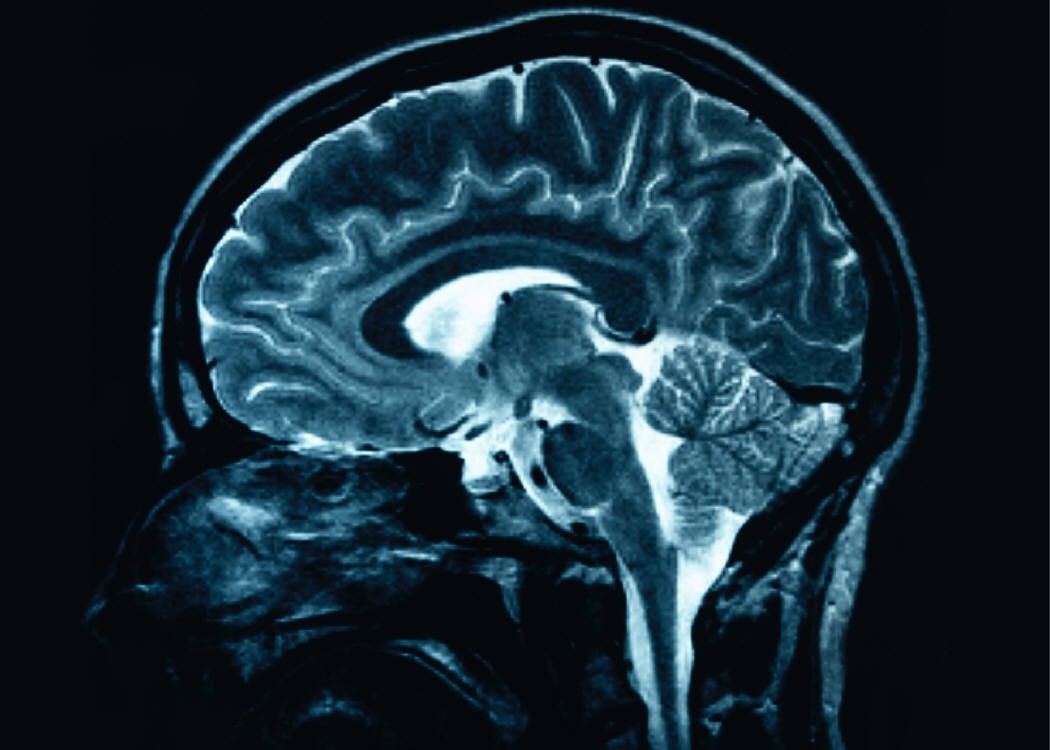
Reduce stress: stress can wear down the hippocampus, which plays a major role in memory function.
Exercise regularly: exercising delivers more oxygen-rich blood to the brain which is vital for producing new brain cells and preventing atrophy.
Eat low-fat and healthy: glucose spikes and fatty plaque deposits due to overeating can damage the brain, so a lower-calorie diet promotes better circulation and helps to control weight.
- Details
- Written by Lisa Jillanza
Weight:
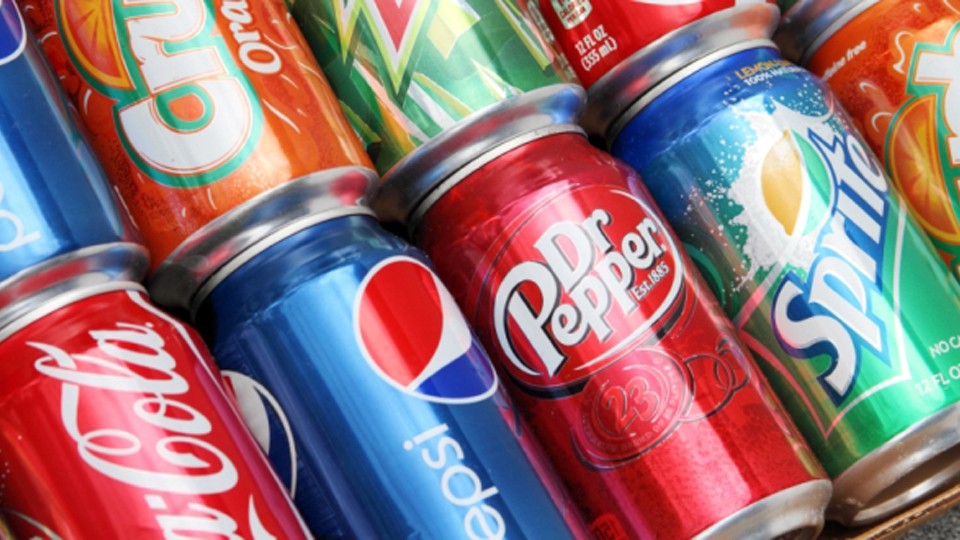
Drinking just one soda per day equates to ingesting 39 pounds (yes 39 pounds) of sugar per year! Drinking soda on a regular basis interacts with the genes that affect weight and more than 180,000 obesity-related deaths each year are linked to drinking sugary beverages.
Kidneys:
The extremely high levels of phosphoric acid (especially in colas) have been linked to kidney stones and other renal problems. Diet cola packs a two-fold risk – especially if you drink more than two servings each day.
Bones:
Soda consumption has been linked to osteoporosis and bone density loss, mainly because of the phosphoric acid and caffeine.
Teeth:
The high levels of acid in soda corrode your teeth, almost as badly as drinking battery acid.
Heart:
Habitual diet and regular soda consumption leads to an increased risk of heart disease, heart attack and stroke.
Brain:
Having too much sugar in your diet reduces the production of a brain chemical that helps us learn, store memories and process insulin. Consuming too much sugar also dulls the brain’s mechanism that tells you to stop eating.
Lungs:
The more soda you drink, the more likely you are to develop chronic lung conditions like asthma and COPD.
Enjoy a full years subscription of Healthy Revelations and discover life-changing health secrets you won't find anywhere else.
- $240 Yearly Value
- How To Lose Weight Fast
- Healthy Eating
- Stress Relief
- Disease Prevention
- Doctor Recommendations
- Seasonal Health Tips
- And More...