
Enjoy a full years subscription of Healthy Revelations and discover life-changing health secrets you won't find anywhere else.
- $240 Yearly Value

- How To Lose Weight Fast
- Healthy Eating
- Stress Relief
- Disease Prevention
- Doctor Recommendations
- Seasonal Health Tips
- And More...
FEATURED ARTICLES
- Details
- Written by Lisa Jillanza
If you have been wondering why all of the men in your life seem to be sprouting more and more facial hair these days, wonder no more : it's Movember! (Also known as No Shave November.)

The meaning behind Movember is raise awareness for prostate cancer and testicular cancer and began in Australia more than 11 years ago. Males participating not only talk about why they are participating but also get other men to start talking about men's health and cancer awareness. Men participating are also encouraged to donate what they would otherwise spend on grooming/shaving to the American Cancer Society.
Don't worry, ladies, you are encouraged to participate as well, you can forego shaving your legs or cancel the waxing/threading appointment that you have planned for the month.
- Details
- Written by Lisa Jillanza
It's a well-known fact that school-aged children who do not eat a nutritious breakfast or refuel with nutritious lunch during the middle of their school day lack focus, can be disruptive in class, and can oftentimes be very distracting to their fellow classmates.
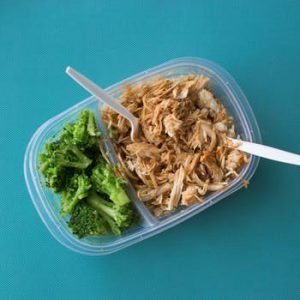
Because kids are growing daily, they need the appropriate calories and nutritious value in their meals, especially breakfast and lunch, so that they can meet the demands of their growing bodies. If you need some help in decided what you should be packing in your child's lunch and what you should be keeping at the grocery store here is some help,
Lunchables or other pre-packaged lunch kits : Nutritionists call this “double packing” in that manufacturers have already packed the lunch and then you repack it into their lunch. Most of these pre-packaged lunches contain lots of sodium and fat, along with very few nutrients. These packaged meals leave kids feeling unfulfilled and therefore not refueled when it comes to tackling the rest of their day.
White bread : While sandwiches are a good choice for your child's lunch, if you are using white bread to make your sandwiches, then you are missing out on some significant nutritional value. Instead try some whole grain bread, with at least 3 grams of fiber per slice, so that your child gets more out of their sandwich than usual.
Fruit snacks : Fruit snacks are so very deceiving, they say they are made with real fruit, but they are made with fruit juice which is just sugar. Plus, fruit snacks get lodged into your kid's teeth very easily leading to decay. Choose an apple, orange or another healthy fruit for your child's lunch instead of those deceptive fruit snacks.
Soda : sure it's a no-brainer that you shouldn't be packing soda into your child's lunch, but still kids drink soda. Soda is high in sugar, high in calories, and high in caffeine and that's about it! Nutritionists are also weary of sports drinks, like Gatorade, because they are primarily sugar with some added salt. Milk or water is always best.
- Details
- Written by Lisa Jillanza
One sure sign of fall isn't the changing and falling leaves or the drop in temperature, it's definitely the Pumpkin Spice Lattes EVERYWHERE!
While they taste delicious, they can be one of the unhealthiest things you can drink all year. Here are some of the most popular brands that unfortunately aren't good for your overall health.

- Au Bon Pain Pumpkin Pie Latte : this latte packs 290 calories, 7 grams fat, 115 mg sodium, 49 grams carb, and 47 grams sugar. That's 12 tablespoons of sugar!
- Krispy Kreme Pumpkin Spice Latte : this seasonal favorite contains 310 calories, 11 grams fat, 120 mg sodium, and 43 grams carbs. The one saving grace of this drink is that these amounts are for the smaller size 12 oz cup.
- McDonald's McCafe Pumpkin Spice Latte : people are “lovin' it” but it's filled with 340 calories, 10 grams fat, 51 grams carbs, and 160 mg sodium. With 160 mg of sodium, that's twice the amount of salt than a kid's size French fries.
- Einstein Brothers Pumpkin Latte : this latte contains 370 calories, 10 grams fat, 65 mg sodium, 59 grams carbs, and 54 grams sugar. With 59 grams of carbs, that is twice the amount of a bagel, maybe it's time to rethink your beverage of choice!
- Starbucks Pumpkin Spice Latte : this is hands down the most popular fall drink of choice (come on, it had its own trending hash tag!) and it is filled with 440 calories, 8 grams fat, 280 mg sodium, and 63 grams carbs. You would be better off eating a pumpkin cream cheese muffin : which actually contains fewer calories!
- Dunkin Donuts Pumpkin Latte : this latte contains 470 calories, 13 grams fat, 250 mg sodium, and 71 grams sugar. And just because they offer three different flavors of pumpkin latte that doesn't mean you are in the clear if you order one over another : they are all made up of the same nutritional content. You would be better off eating three of their chocolate caramel donuts!
- Details
- Written by Lisa Jillanza
Even though sweater and parka weather are upon us, ‘tis the season to sculpt away that unwanted fat, because let's be honest any season is the perfect time to sculpt away that unwanted fat, right?
To fight fat and sculpt, you need to target your biggest problem areas : like your glutes, thighs, and love handles. Follow these fat-busting moves to get in the best shape this season (or any season!)

Problem : Under arm jiggle.
Solution : Tricep dips.
Sit on the floor or a bench with knees bent at 90 degrees and palms facing out, behind you. Raise your body up and down, dipping your rear until it hovers just above the ground. Keep your elbows pointed straight behind you, and you should feel it in your triceps. Do for 60 seconds and repeat three times.
Problem : Flabby chest
Solution : Push-ups
Doing push-ups for 30 seconds followed by a 15-second hold is the key to scoring a toned chest.
Repeat 3 times. (If you can't do a traditional push-up, try an incline variation, placing your hands on a bench.)
Problem : Belly fat
Solution : Mountain climbers
Hold a high plank position for 30 seconds, keeping a flat back. Quickly bring right knee to right elbow, then left knee to left elbow in fast movements for 30 seconds.
Problem : Love handles
Solution : Side forearm plank
Start with a traditional forearm plank, elbows under shoulders and forearms parallel, abdominals engaged. Slide your palms toward your centerline so your thumb and forefingers connect. Then stack your left hip on your right, placing your left palm on your left hip. Use your abs and pull your navel to your spine as you press your shins and thighs together. Reach your left (or top) arm up to the sky to open your chest while you press your hip up. Press up 10 times. Repeat on right side.
- Details
- Written by Lisa Jillanza
- Many people do not know that pumpkins are made up of 90 percent water.
- Pumpkins also contain other great nutritional aspects including potassium and vitamin A.
- The bright orange color of pumpkins also tells us that they are a great source of the important antioxidant, beta carotene.

Recipe: Traditional Pumpkin Pie
- 1 ¾ cups (one 15oz. can) unsweetened pumpkin puree
- ¾ cup light brown sugar, packed
- 2 teaspoons ground ginger
- 1 ½ teaspoons ground cinnamon
- ½ teaspoon salt
- 2/3 cup milk
- 2/3 cup heavy cream
- 3 large eggs
- 1 teaspoon vanilla extract
(For crust us a pre-made store bought crust or a homemade crust) In a small heavy saucepan, stir the pumpkin, brown sugar, spices and salt together until mixed. Bring the mixture to a simmer, stirring constantly. Reduce the heat to low and cook, stirring constantly, for 3 to 5 minutes or until thick and shiny. Scrape the mixture into a mixer or food processor for 1 minute. With the motor on, add the milk and cream, mixing until incorporated completely. Add the eggs one at a time, mixing just to incorporate, about 5 seconds after each egg. When you add the last egg, also add the vanilla. Pour the mixture into the prepared pie shell. Bake the pie for 50 - 60 minutes at 375 degrees.
Recipe: Pumpkin Soup
- 6 cups chicken stock
- 1 ½ teaspoons salt
- 4 cups pumpkin puree
- 1 teaspoon chopped fresh parsley
- 1 cup chopped onion
- ½ teaspoon chopped fresh thyme
- 1 clove garlic minced
- ½ cup heavy whipping cream
- 5 whole black peppercorns
Heat stock, salt, pumpkin, onion, thyme, garlic, and peppercorns. Bring to a boil; reduce heat to low, simmer for 30 minutes uncovered. Puree the soup in small batches (1 cup at a time) using a food processor or blender. Return to pan and bring to boil again. Reduce heat to low, and simmer for another 30 minutes, uncovered. Stir in heavy cream. Pour into soup bowls and garnish with fresh parsley.
Enjoy a full years subscription of Healthy Revelations and discover life-changing health secrets you won't find anywhere else.
- $240 Yearly Value
- How To Lose Weight Fast
- Healthy Eating
- Stress Relief
- Disease Prevention
- Doctor Recommendations
- Seasonal Health Tips
- And More...