
Enjoy a full years subscription of Healthy Revelations and discover life-changing health secrets you won't find anywhere else.
- $240 Yearly Value

- How To Lose Weight Fast
- Healthy Eating
- Stress Relief
- Disease Prevention
- Doctor Recommendations
- Seasonal Health Tips
- And More...
FEATURED ARTICLES
- Details
- Written by Lisa Jillanza
Health experts are constantly conducting research and learning more and more about the benefits of exercise for the elderly. Sedentary adults are more likely to suffer from heart disease, diabetes, high blood pressure, certain cancers, and joint and muscle disorders.
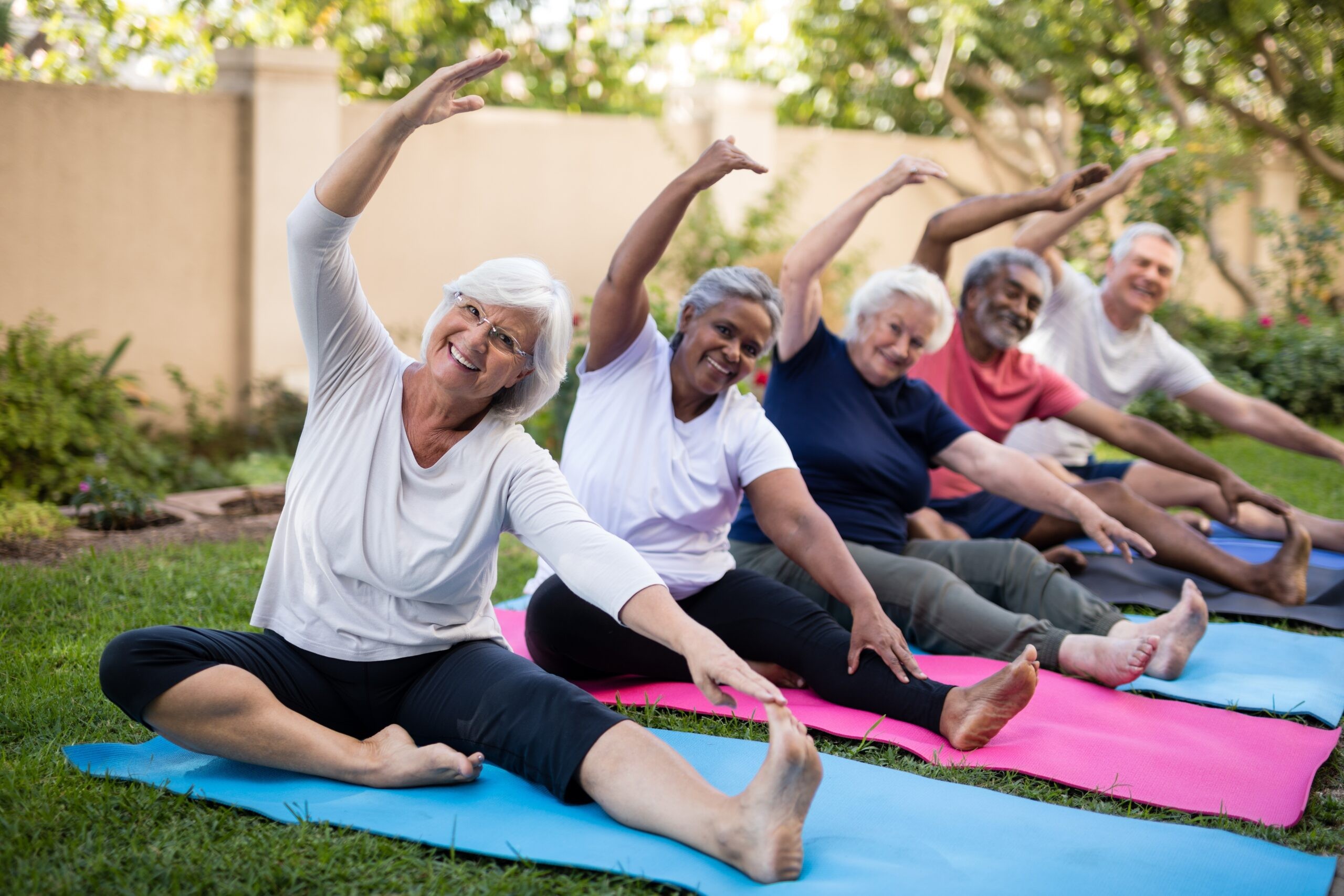
To help ward off these conditions and to deal with the everyday wear and tear that aging has on our bodies, experts suggest that individuals over the age of 50 should consult their physician and a personal trainer to come up with a fitness plan that works for them.
Another condition that exercise for the elderly has proven to help is the arthritis-stricken population.
The appropriate exercises can reduce inflammation and relieve stiffness in those particular joints. It also increases flexibility, muscle strength, power and stamina.
Elderly adults who exercise also gains the benefits that their younger counterparts also gain including: weight control, the ability to manage daily stress and improved self-confidence.
Experts have also found that exercising as you age can also reduce the risk of premature death, can curb depression and minimizes the development of brittle bones.
- Details
- Written by Lisa Jillanza
If you are looking to “build a better butt” this year, then you simply need to add these butt-boosters to your daily workout!

(With all of these exercises aim for three sets of 15 reps)
Squats – Squats will always top the list of any butt building exercise plan, but you need to do them correctly.
Keep feet parallel, shoulder-width apart. Slowly lower the hips as if sitting in a chair; then return to standing. Make sure your knees do not push out in front of your toes. Keep your torso tight and back straight.
Ball Squats – If you are a beginner to squats, it could be beneficial to you to use a large ball to help you balance while you perfect your form.
Keep the ball between your low back and a wall. Slowly perform the classic squat. Walk your feet out in front so the knees stay behind your toes.
Forward Lunge – Besides toning your butt, the forward lunge also tones the thighs and calves.
With your feet parallel and hip-distance apart, take one giant step forward. Lower your body slowly, bending both knees, and return to standing. Repeat on the other side. Bend your knees no more than 90 degrees. Keep your front knee stacked right over your front ankle. Do not rest your back knee on the ground.
Backward Lunge – Or you could also try a backwards lunge because it works your glutes a little bit harder than the forward variety. This lunge also adds flexibility to the hips and helps to align your body better, a common problem for people who spend most of their day sitting at a desk.
Use the same posture as in a forward lunge, but step backward to position the lower leg. Don't let the front knee push out in front of your toes.
- Details
- Written by Lisa Jillanza
Besides being an excellent source of Omega-3 Fatty Acids, salmon is also full of high-quality proteins and low in saturated fat.

- Salmon has nearly a third of the saturated fat of lean ground beef and 50 percent less saturated fat than chicken, making it one of the healthiest items that you could eat.
- Salmon is also low in calories. One serving contains approximately 183 calories, making it one of the lowest in calories among other fish.
- Salmon contains sufficient amounts of every essential amino acid required by our bodies for growth and the upkeep of muscle tissue.
Recipe: Honey-Soy Broiled Salmon
- 1 scallion, minced
- 2 tablespoons reduced-sodium soy sauce
- 1 tablespoon rice vinegar
- 1 tablespoon honey
- 1 teaspoon minced fresh ginger
- 1 pound center-cut salmon fillet, skinned and cut into four portions
- 1 teaspoon toasted sesame seeds
Whisk scallion, soy sauce, vinegar, honey and ginger in a medium bowl until the honey is dissolved. Place salmon in a sealable plastic bag, add 3 tablespoons of the sauce and refrigerate; let marinate for 15 minutes. Reserve the remaining sauce. Preheat broiler. Line a small baking pan with foil and coat with cooking spray. Transfer the salmon to the pan, skinned-side down. (Discard the marinade.) Broil the salmon 4 to 6 inches from the heat source until cooked through, 6 to 10 minutes. Drizzle with the reserved sauce and garnish with sesame seeds.
Recipe: Smoked Salmon Dip
- 8 oz. cream cheese, at room temperature
- ½ cup sour cream
- 1 tablespoon freshly squeezed lemon juice
- 1 tablespoon minced fresh dill
- 1 teaspoon prepared horseradish, drained
- ½ teaspoon kosher salt
- ¼ teaspoon freshly ground black pepper
- 4 oz. smoked salmon, minced
Cream the cheese in an electric mixer fitted with a paddle attachment until just smooth. Add the sour cream, lemon juice, dill, horseradish, salt and pepper, and mix. Add the smoked salmon and mix well. Chill and serve with crudités or crackers.
- Details
- Written by Lisa Jillanza
Coconut water not only tastes delicious but it is extremely good for you in so many ways. Here are just a few: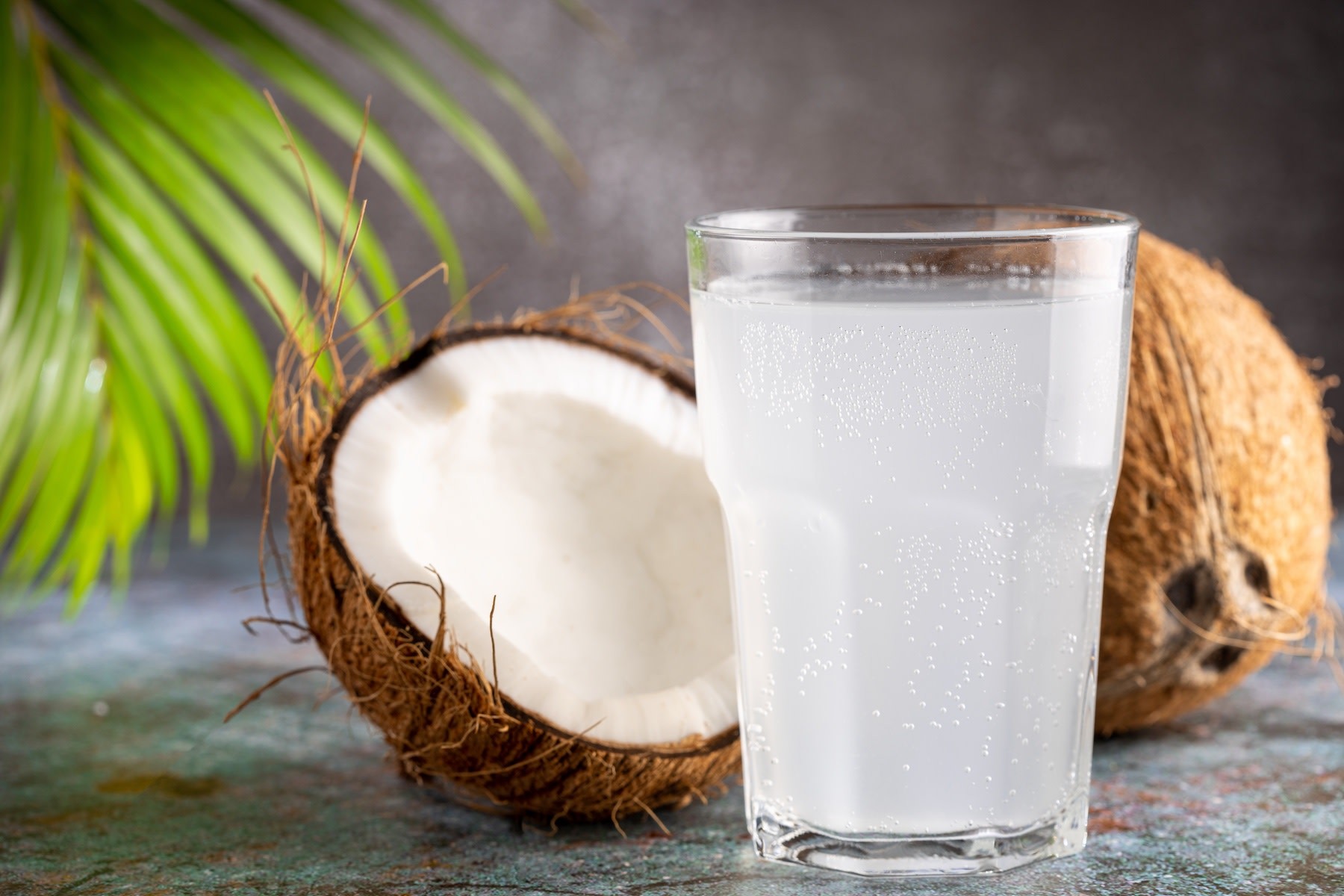
- Coconut water is much healthier than orange juice because it has much fewer calories.
- Coconut water is more nutritious than whole milk because it has less fat and no cholesterol.
- Coconut water is better than processed baby milk because it contains lauric acid, which is present in mother’s milk.
- Coconut water is a universal donor and is identical to human blood plasma.
- Coconut water is naturally sterile.
- Coconut water is a naturally isotonic beverage; the same level that we have in our blood.
- Coconut water has saved lives in Third World Countries through Coconut IV.
- Details
- Written by Lisa Jillanza
Overeating seems to be inevitable this time of year. The stress that comes with shopping, cleaning, and cooking make it easy to turn to food for relief. Resisting the urge to eat because of emotions rather than to satisfy hunger can be difficult. Here are some tips to avoid comfort eating during the holidays: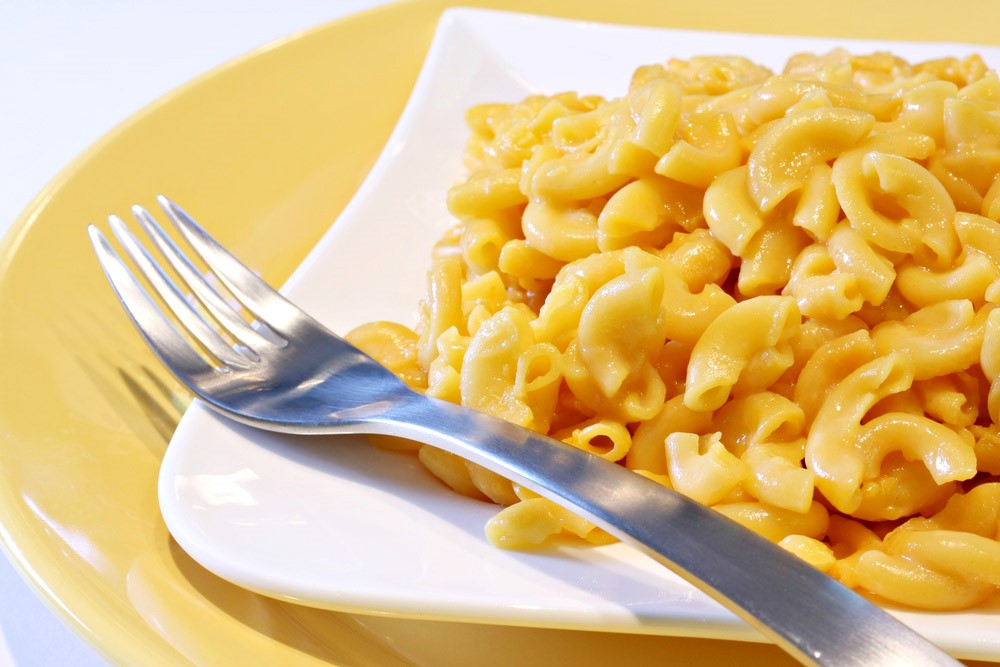
Continue usual routines: Sticking to an everyday schedule helps to keep anxiety at bay. If you only eat three meals and a snack before the holidays, keep it that way. Working out can also divert you from the tempting leftovers in the refrigerator. It helps your mind stay active and distracted.
Identify your triggers: Knowing what specifically drives you to emotional eating can make an incredible difference. Stress and boredom are the main causes for most people. Keeping yourself calm yet entertained can significantly reduce the want to munch on some unhealthy treats.
Respond, not react: After immediately having a craving, most of us go straight to the pantry to fulfill it. Allowing yourself to take a moment and think about what you are about to do and the guilt you will have afterwards can stop the craving all together. Have some nutritious snacks ready and waiting, so during that pause, you have the time to remember that you have a healthier option.
Moderation: There must be a balance in your meal plans. Sometimes, it can be impossible to avoid the comfort foods, so only have a small portion. Giving yourself a taste of what you have been yearning for can satisfy those cravings without blowing your diet.
Enjoy a full years subscription of Healthy Revelations and discover life-changing health secrets you won't find anywhere else.
- $240 Yearly Value
- How To Lose Weight Fast
- Healthy Eating
- Stress Relief
- Disease Prevention
- Doctor Recommendations
- Seasonal Health Tips
- And More...