
Enjoy a full years subscription of Healthy Revelations and discover life-changing health secrets you won't find anywhere else.
- $240 Yearly Value

- How To Lose Weight Fast
- Healthy Eating
- Stress Relief
- Disease Prevention
- Doctor Recommendations
- Seasonal Health Tips
- And More...
FEATURED ARTICLES
- Details
- Written by Lisa Jillanza
When the weather outside is frightful, it's easy to get lazy and to lack the motivation to even get out of bed some days. So how do you stay motivated when everything is keeping you down? Try some of these tips:
 Winter Motivation Tips
- Set goals and document them. By keeping a list, you will see this daily and you will feel more inclined to want to check things off this list.
- Set clear dates of when you need to complete things by, whether they are long term or short-term goals. By giving yourself a deadline, you will work harder to keep them.
- Reward yourself for meeting your deadlines and reaching your goals. Whether you allow yourself to buy something nice or a day of pampering at the spa, you will work harder to do things when you know there is a reward at the end.
- Listen to motivational tapes and/or read motivational books to help gain some inspiration to keep going.
- Learn to breathe correctly. You will feel more relaxed and when you are more relaxed you will also be more apt to stay motivated than when you are stressed.
- Keep a positive attitude. Even though it is easy to be depressed when the long, cold winter months drag on, try to remain positive and you will notice that motivation comes along with being happy.
- Remind yourself that progress is what is important and not perfection. This is especially important when you are looking at your long-term goals, as they may seem like the most unreachable. Remember all of the short-term goals that you have met, and you will be more successful.
- Build a support system of friends and family members that are typically motivated. By keeping like-minded people close to you, you will become motivated by just being in their presence.
- Details
- Written by Lisa Jillanza
It's that time again for Thanksgiving and while Americans eat it nearly every year to celebrate Thanksgiving, how much do you know about turkey?
- Turkey is very low in fat and high in protein. It is also a good source of iron, zinc, phosphorus, potassium and B vitamins.
- The fat and calorie amounts vary because white meat has fewer calories and less fat than dark meat and skin.
- Turkey is also naturally low in sodium. It typically contains less than 25 milligrams (mg) of sodium per ounce on average.
 Spotlight on Turkey
Recipe: Turkey Chili
- 2 cups chopped onion
- 4 garlic cloves, chopped fine
- 1 cup chopped green pepper
- ¼ cup olive oil
- 2 (35 oz.) cans stewed tomatoes, crushed
- 2 (15 oz.) cans kidney beans, drained
- 2 tablespoons tomato paste
- ¾ cup chicken or turkey stock
- 2 tablespoons chili powder
- 1 tablespoon ground cumin
- 1 tablespoon dried hot red pepper flakes
- 1 teaspoon dried oregano
- 1 tablespoon salt, plus more if desired to taste
- ½ teaspoon black pepper
- 3 to 4 cups shredded, cooked turkey meat
- Sugar
- Shredded cheddar cheese, chopped red onion, sour cream for optional garnishes
In a large, 8-quart thick bottom pot, cook the onion and green pepper over medium heat, stirring until golden, about 5 minutes. Add the garlic, chili powder, cumin, and red pepper flakes, and cook, stirring, for a minute or two more. Add a bit more olive oil if needed. Add tomatoes, tomato paste, stock, beans, oregano, salt, pepper and cooked turkey meat. Bring mixture to a simmer and reduce heat to low. Simmer uncovered for an hour.
Recipe: Creamed Turkey
- 3 tablespoons butter
- ¾ cup sliced mushrooms
- 3 tablespoons flour
- 1 ½ cups milk
- ½ cup hot chicken broth
- 1 small jar diced pimento, drained
- 4 cups diced cooked turkey
- Salt and pepper, to taste
Melt butter over medium-low heat. Sauté mushrooms until golden and tender. Add flour; stir until smooth. Slowly pour on milk and broth, stirring constantly, until thickened and bubbly. Add pimiento, turkey, salt and pepper. Cook until heated through, but do not boil. Serve with rice or toast.
- Details
- Written by Lisa Jillanza
Wondering why all of the men in your life seem to be sprouting more and more facial hair these days? Then wonder no more : it's Movember! (Also known as No Shave November.)
 Movember
The meaning behind Movember is to raise awareness for prostate cancer and testicular cancer and the movement began in Australia more than 13 years ago. Males participating not only talk about why they are participating but also get other men to start talking about men's health and cancer awareness. Men participating are also encouraged to donate what they would otherwise spend on grooming/shaving to the American Cancer Society.
Don't worry, ladies, you are encouraged to participate as well, you can forego shaving your legs or cancel the waxing/threading appointment that you have planned for the month.
- Details
- Written by Lisa Jillanza
It's a well-known fact that school-aged children who do not eat a nutritious breakfast or refuel with nutritious lunch during the middle of their school day lack focus, can be disruptive in class, and can oftentimes be very distracting to their fellow classmates.
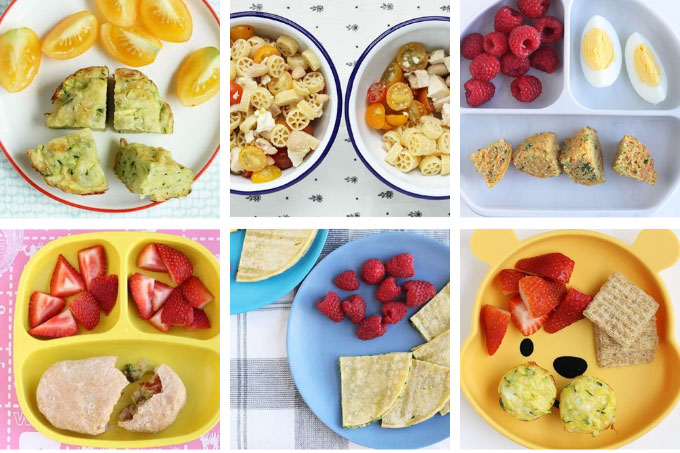 Healthy lunch for children
Because kids are growing daily, they need the appropriate calories and nutritious value in their meals, especially breakfast and lunch, so that they can meet the demands of their growing bodies. If you need some help in decided what you should be packing in your child's lunch and what you should be keeping at the grocery store here is some help,
Lunchables or other pre-packaged lunch kits : Nutritionists call this “double packing” in that manufacturers have already packed the lunch and then you repack it into their lunch. Most of these pre-packaged lunches contain lots of sodium and fat, along with very few nutrients. These packaged meals leave kids feeling unfulfilled and therefore not refueled when it comes to tackling the rest of their day.
White bread : While sandwiches are a good choice for your child's lunch, if you are using white bread to make your sandwiches, then you are missing out on some significant nutritional value. Instead try some whole grain bread, with at least 3 grams of fiber per slice, so that your child gets more out of their sandwich than usual.
Fruit snacks : Fruit snacks are so very deceiving, they say they are made with real fruit, but they are made with fruit juice which is just sugar. Plus, fruit snacks get lodged into your kid's teeth very easily leading to decay. Choose an apple, orange or another healthy fruit for your child's lunch instead of those deceptive fruit snacks.
Soda : sure it's a no-brainer that you shouldn't be packing soda into your child's lunch, but still kids drink soda. Soda is high in sugar, high in calories, and high in caffeine and that's about it! Nutritionists are also weary of sports drinks, like Gatorade, because they are primarily sugar with some added salt. Milk or water is always best.
- Details
- Written by Lisa Jillanza
One sure sign of fall is not the changing and falling leaves or the drop in temperature, it's definitely the Pumpkin Spice Lattes EVERYWHERE!
While they taste delicious, they can be one of the unhealthiest things you can drink all year. Here are some of the most popular brands that unfortunately aren't good for your overall health.
 Pumpkin Spice Latte
- Au Bon Pain Pumpkin Pie Latte : this latte packs 290 calories, 7 grams fat, 115 mg sodium, 49 grams carb, and 47 grams sugar. That's 12 tablespoons of sugar!
- Krispy Kreme Pumpkin Spice Latte : this seasonal favorite contains 310 calories, 11 grams fat, 120 mg sodium, and 43 grams carbs. The one saving grace of this drink is that these amounts are for the smaller size 12 oz cup.
- McDonald's McCafe Pumpkin Spice Latte : people are “lovin' it” but it's filled with 340 calories, 10 grams fat, 51 grams carbs, and 160 mg sodium. With 160 mg of sodium, that's twice the amount of salt than a kid's size French fries.
- Einstein Brothers Pumpkin Latte : this latte contains 370 calories, 10 grams fat, 65 mg sodium, 59 grams carbs, and 54 grams sugar. With 59 grams of carbs, that is twice the amount of a bagel, maybe it's time to rethink your beverage of choice!
- Starbucks Pumpkin Spice Latte : this is hands down the most popular fall drink of choice (come on, it had its own trending hash tag!) and it is filled with 440 calories, 8 grams fat, 280 mg sodium, and 63 grams carbs. You would be better off eating a pumpkin cream cheese muffin : which contains fewer calories!
- Dunkin Donuts Pumpkin Latte : this latte contains 470 calories, 13 grams fat, 250 mg sodium, and 71 grams sugar. And just because they offer three different flavors of pumpkin latte that doesn't mean you are in the clear if you order one over another : they are all made up of the same nutritional content. You would be better off eating three of their chocolate caramel donuts!
Enjoy a full years subscription of Healthy Revelations and discover life-changing health secrets you won't find anywhere else.
- $240 Yearly Value
- How To Lose Weight Fast
- Healthy Eating
- Stress Relief
- Disease Prevention
- Doctor Recommendations
- Seasonal Health Tips
- And More...