
Enjoy a full years subscription of Healthy Revelations and discover life-changing health secrets you won't find anywhere else.
- $240 Yearly Value

- How To Lose Weight Fast
- Healthy Eating
- Stress Relief
- Disease Prevention
- Doctor Recommendations
- Seasonal Health Tips
- And More...
FEATURED ARTICLES
- Details
- Written by Lisa Jillanza
From overeating to watching too much TV, there’s really only one way to break a bad habit – make a plan! Unfortunately what may work for one person, may not work for another. So here are some ways to break some of the most popular bad habits. Hopefully it works for you!

Watching too much TV. – Studies show that people watch an average of 4 hours of television each day and these studies also show that excessive T.V. watching can be linked to developing Type 2 diabetes and heart disease. Here are some ways to avoid watching too much TV: only watch when there is something specific you want to see, do chores during commercials, make a list of things you need to accomplish before sitting down to watch TV, and create a TV-watching plan and stick to it.
Drinking too much alcohol. – Tired of being hung over and sluggish? Then you should do everything you can to cut back on drinking too much alcohol. To cut back try these tips: drink one glass of water for every alcoholic drink you have, drink only when you are having a meal, or try drinking something that looks like an alcoholic drink, like root beer or a drink with a slice of fruit in it.
Smoking. – While this may be one of the hardest habits to break, it’s still possible as many, many people do it every year. The best plan is to talk things over with your doctor because they can offer the best cessation treatment for you. But some other approaches that you may consider include: hypnotherapy, exercise or electronic cigarettes.
Overeating. – No matter how hard you try to cut calories, it still seems like sometimes the cravings are still there. Experts say that sometimes it is best to give into those cravings. When people do give into their cravings every once in awhile they have a better chance of losing weight and keeping it off, than those who ignore their cravings and avoid certain foods. Experts also advise that if you can avoid nighttime eating that you will be well on your way to prevent overeating as well.
- Details
- Written by Lisa Jillanza
With February being Heart Health Month, we bring you this feature that highlights the innocent things that you may be doing daily that can be hurting your heart (among other parts of your body) and how to fix it!

How you cross your legs… Sitting with your legs crossed at the knees increases your blood pressure. According to studies, leg crossing increased systolic blood pressure nearly 7% and diastolic by 2%. Studies say that you should avoid crossing your legs for long periods of time, like 10 to 15 minutes, and get up every half hour or so to walk around and get the circulation moving.
How you stand… If you are a person who frequently locks their knees when standing, you are no longer efficiently using the muscles that surround the joint. Therefore, forces to the joint are increased. Causing this additional stress to you knee joints isn’t helping your heart at all.
How you sleep… If you are a stomach sleeper, this puts your neck in a titled-back position, leading to pain or numbness in your upper extremities. Nerves are also affected when people sleep on their stomach. To avoid the pain, numbness and affect to the nervous system, people should avoid sleeping on their stomach.
How you wear your belt… It sounds strange, we know, but the tighter your belt the more pressure you put on your intra-abdominal area, which can result in acid reflux. Acid reflux could include a bitter taste in your mouth, burning or pain the upper chest and stomach, a chronic cough or even difficulty swallowing. Doctors say that your belt shouldn’t be any tighter than your waistband. You should be able to inhale and exhale comfortably.
- Details
- Written by Lisa Jillanza
If you are looking for something different to do to change your typical workout routine, pick up a set of resistance bands and give some of these exercises a try!

Front Squat - Stand on a tube band with the feet slightly wider than your shoulders and center of the band between the feet. Holding a handle in each hand, bring the top of the band over each shoulder, securing the band in place by crossing your arms at your chest. Sit straight down, chest up, abs firm, pressing your knees out over your toes. Rise back up to start position and repeat for 8-12 reps.
Bent Over Row - Stand over the center of the band with feet shoulder-width apart. Bend slightly at the knees and hinge at the waist, keeping your hips back. Grasp each handle with hands facing the outside of your knees. With elbows bent, pull the band up toward your hips, squeezing your shoulder blades together until your elbows form a 90-degree angle. Lower and row for 10-12 reps.
Bench Press - Anchor a tube band on the bench legs, and lie on the bench, face up. Grabbing a handle in each hand. position them at shoulder height (so your thumbs touch the front of your shoulders). Extend the arms straight up overhead to full extension, moving your hands toward each other at the top. Lower back down and repeat for 10-12 reps.
Overhead Press - Stand over the center of a tube band with feet shoulder-width apart. Grip each handle, positioning your hands at shoulder level with palms facing each other so your thumbs touch your shoulders. Press straight up, rotating your palms forward as you fully extend your arms. Lower back down slowly and repeat for 8-10 reps.
Russian Twist - Sit on the floor with legs extended, wrapping the center of the band around the bottom of your feet. Hold the free ends in each hand. Slightly bend your knees, keeping your feet on the floor, and lean back at a 45-degree angle. Rotate the band right by bringing your left hand across your body and your right hand down by your right hip. Contracting your oblique muscles, bring the band toward your right hip while keeping your middle and low back neutral. Return to starting position and rotate left then right for a total of 10-12 reps on each side.
- Details
- Written by Lisa Jillanza
In a recent animal study, it was found that diets that included canola oil rather than corn oil had less of a chance of growing colon tumors.

One of the reasons that gives canola the edge is the high amount of omega-3 fatty acids, where corn oil is higher in omega-6 fatty acids. In the animals tested, researchers charted the size and number of colon tumors and tested their blood for its fatty acid amount. When comparing animals whose diets contained corn oil verses canola oil, the animals whose diet included canola oil had fewer tumors and much smaller tumors on average.
While researchers will next attempt this same study on humans, researchers and nutritionists alike agree that only good can come from including more omega-3 fatty acids in your diet.
- Details
- Written by Lisa Jillanza
- Plums, and their dried version known as prunes, are very high in phytonutrients, which function as an antioxidant and provide much benefit to the body.
- Eating plums helps in the production and absorption of iron in the body, thereby leading to better blood circulation leading further to the growth of healthy tissues.
- Consuming plums on a regular basis will help prevent macular degeneration and other eye infections.
- Researchers have also found that plums contain anti-cancer agents that prevent the growth of cancerous cells and tumors.
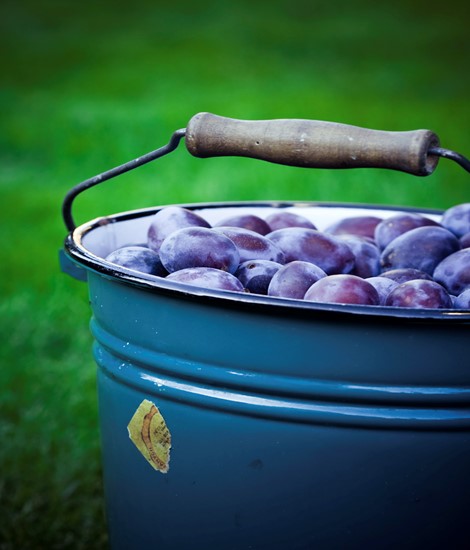
Recipe: Chicken Breasts with Plum Salsa and Basmati Rice
- 1 ½ cups of water
- 1 cup uncooked basmati rice, rinsed and drained
- ¾ pound plums, pitted and chopped
- ½ medium red onion, minced
- 3 habanero peppers, seeded and minced
- 3 tablespoons fresh minced cilantro
- 1 teaspoon sugar
- ¾ pound boneless, skinless chicken breasts
- 2 teaspoons fresh rosemary, minced
- Salt and pepper to taste
- 2 teaspoons vegetable oil
Place water in medium saucepan and stir in rice. Bring to boil. Cover, reduce heat and simmer for 20 minutes. Remove from heat, cool and fluff with fork. In a bowl, mix the plums, peppers, onions, cilantro and sugar. Cover and refrigerate for 30 minutes. Season chicken with rosemary, salt and pepper. Heat vegetable oil in skillet over medium-heat. Place chicken in oil and brown 1 minute per side. Reduce heat to medium, and cook for 5 additional minutes per side. Serve over rice with plum salsa.
Recipe: Fresh Summer Fruit Salad
- ½ cup water
- 2/3 cup sugar
- 3 cups thinly sliced rhubarb
- 15 seedless grapes, halved
- ½ orange, sectioned
- 10 fresh strawberries, hulled and halved
- 1 apple, cored and diced
- 1 peach, sliced
- 1 plum, pitted and sliced
- 15 pitted Bing cherries
- ¼ cup fresh blueberries
Bring water and sugar to boil in a medium saucepan over medium heat. Stir in the rhubarb, turn heat to low, cover and simmer until rhubarb is soft, 10 to 15 minutes. Mash and chill in the refrigerator about one hour. To serve, mix the grapes, orange, strawberries, apple, peach, plum, cherries, and blueberries with 2/3 cup of the rhubarb sauce. Stir gently, but thoroughly to coat. Refrigerate for at least two hours for all of the flavors to blend well.
Enjoy a full years subscription of Healthy Revelations and discover life-changing health secrets you won't find anywhere else.
- $240 Yearly Value
- How To Lose Weight Fast
- Healthy Eating
- Stress Relief
- Disease Prevention
- Doctor Recommendations
- Seasonal Health Tips
- And More...