
Enjoy a full years subscription of Healthy Revelations and discover life-changing health secrets you won't find anywhere else.
- $240 Yearly Value

- How To Lose Weight Fast
- Healthy Eating
- Stress Relief
- Disease Prevention
- Doctor Recommendations
- Seasonal Health Tips
- And More...
Nutrition Articles
Eating Healthy Spotlight on: Watermelon
- Besides being made up of nearly 90% water, watermelons are also a great source of significant vitamins and minerals.
- It is chock full of a considerable amount of vitamins A and C. It contains thiamine, riboflavin, vitamin B6, folate and niacin in small amounts.
- It is a great source of potassium, and also contains magnesium, calcium, phosphorous and iron in trace amounts.
- Watermelon is also very low in calories, free of fats and cholesterol and is rich in carotenoids.

Recipe: Grilled Scallop and Watermelon Kebabs
- 12 sea scallops
- 4 cups boiling vegetable or chicken broth
- 24- 1”x1” watermelon cubes
- ¼ cup soy sauce
- 1 teaspoon sesame oil
- 1 tablespoon minced garlic
- 1 tablespoon fresh minced ginger
Cut the scallops into halves across the diameter to create half-moon shapes. Place them in a heatproof casserole dish in a single layer. Pour the boiling clear broth over the scallops and let them poach for 5 minutes. Drain and cool the scallops. On each skewer alternate one half-moon scallop, then two watermelon cubes, then one half-moon scallop. Mix together the remaining ingredients and brush the kebabs as they are grilled over a medium-hot grill for 90 seconds per side, turning only once. Serve warm.
Recipe: Cajun Chicken with Watermelon Mint Salsa
2 tablespoons vegetable oil
2 tablespoons granulated garlic
2 tablespoons mild chili powder
2 tablespoons ground cumin
2 tablespoons sweet paprika
6 boneless, skinless chicken cutlets
Mix together the spices. Coat the chicken cutlets with the spice mixture. Heat a non-stick skillet over medium high heat and place chicken in pan. Blacken on both sides and sauté just until cooked through. Top with Watermelon Mint Salsa and serve immediately.
Watermelon Mint Salsa
- 2 cups chopped seedless watermelon
- 2 tablespoons lime juice
- 1 cup diced seeded tomato
- Minced seeded jalapeno to taste
- 1 tablespoon minced fresh cilantro
- 1 tablespoon minced fresh mint
- ½ cup chopped fresh scallion
Toss ingredients together, cover and refrigerate until ready to serve.
Food for Thought How Soda Affects Your Body
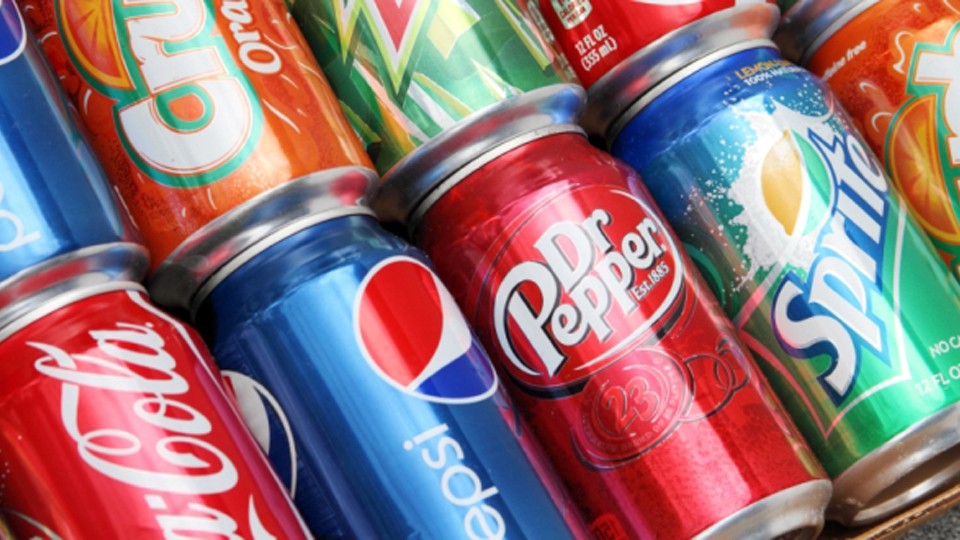
Weight:
Drinking just one soda per day equates to ingesting 39 pounds (yes 39 pounds) of sugar per year! Drinking soda on a regular basis interacts with the genes that affect weight and more than 180,000 obesity-related deaths each year are linked to drinking sugary beverages.
Kidneys:
The extremely high levels of phosphoric acid (especially in colas) have been linked to kidney stones and other renal problems. Diet cola packs a two-fold risk – especially if you drink more than two servings each day.
Bones:
Soda consumption has been linked to osteoporosis and bone density loss, mainly because of the phosphoric acid and caffeine.
Teeth:
The high levels of acid in soda corrode your teeth, almost as badly as drinking battery acid.
Heart:
Habitual diet and regular soda consumption leads to an increased risk of heart disease, heart attack and stroke.
Brain:
Having too much sugar in your diet reduces the production of a brain chemical that helps us learn, store memories and process insulin. Consuming too much sugar also dulls the brain’s mechanism that tells you to stop eating.
Lungs:
The more soda you drink, the more likely you are to develop chronic lung conditions like asthma and COPD.
Eating Healthy Spotlight on: Plums
- Plums, and their dried version known as prunes, are very high in phytonutrients, which function as an antioxidant and provide much benefit to the body.
- Eating plums helps in the production and absorption of iron in the body, thereby leading to better blood circulation leading further to the growth of healthy tissues.
- Consuming plums on a regular basis will help prevent macular degeneration and other eye infections.
- Researchers have also found that plums contain anti-cancer agents that prevent the growth of cancerous cells and tumors.

Recipe: Chicken Breasts with Plum Salsa and Basmati Rice
- 1 ½ cups of water
- 1 cup uncooked basmati rice, rinsed and drained
- ¾ pound plums, pitted and chopped
- ½ medium red onion, minced
- 3 habanero peppers, seeded and minced
- 3 tablespoons fresh minced cilantro
- 1 teaspoon sugar
- ¾ pound boneless, skinless chicken breasts
- 2 teaspoons fresh rosemary, minced
- Salt and pepper to taste
- 2 teaspoons vegetable oil
Place water in medium saucepan and stir in rice. Bring to boil. Cover, reduce heat and simmer for 20 minutes. Remove from heat, cool and fluff with fork. In a bowl, mix the plums, peppers, onions, cilantro and sugar. Cover and refrigerate for 30 minutes. Season chicken with rosemary, salt and pepper. Heat vegetable oil in skillet over medium-heat. Place chicken in oil and brown 1 minute per side. Reduce heat to medium, and cook for 5 additional minutes per side. Serve over rice with plum salsa.
Recipe: Fresh Summer Fruit Salad
- ½ cup water
- 2/3 cup sugar
- 3 cups thinly sliced rhubarb
- 15 seedless grapes, halved
- ½ orange, sectioned
- 10 fresh strawberries, hulled and halved
- 1 apple, cored and diced
- 1 peach, sliced
- 1 plum, pitted and sliced
- 15 pitted Bing cherries
- ¼ cup fresh blueberries
Bring water and sugar to boil in a medium saucepan over medium heat. Stir in the rhubarb, turn heat to low, cover and simmer until rhubarb is soft, 10 to 15 minutes. Mash and chill in the refrigerator about one hour. To serve, mix the grapes, orange, strawberries, apple, peach, plum, cherries, and blueberries with 2/3 cup of the rhubarb sauce. Stir gently, but thoroughly to coat. Refrigerate for at least two hours for all of the flavors to blend well.
Healthy Picnic Food 101:
It’s getting warmer and it’s almost time for picnics, barbecues, and outdoor parties! But just because you aren’t choosing all of your meals, that doesn’t mean that you have to pack on the pounds this summer. Keep these tips in mind at your next picnic:
- Choose lean ground meat when making burgers. You should also try low-fat hot dogs, sausages and bratwurst and other grilled favorites.
- Seafood and chicken are great grilled foods and are both still healthy picnic options.
- Don’t forget your greens and mix in a salad to your picnic or party menu.
- Remember your veggies as they are also great on the grill and in side dishes, especially summer time veggies like squash and zucchini.
- Instead of chocolate desserts, think fruity desserts instead, and take advantage of a season when fruits are plenty.
Food for Thought Healthy Grab and Go Breakfasts
Because breakfast is the most important meal of the day and because we live in a fast-paced world, we all need to learn some of the best go-to, easy and healthy breakfasts. Here are five grab and go breakfasts.
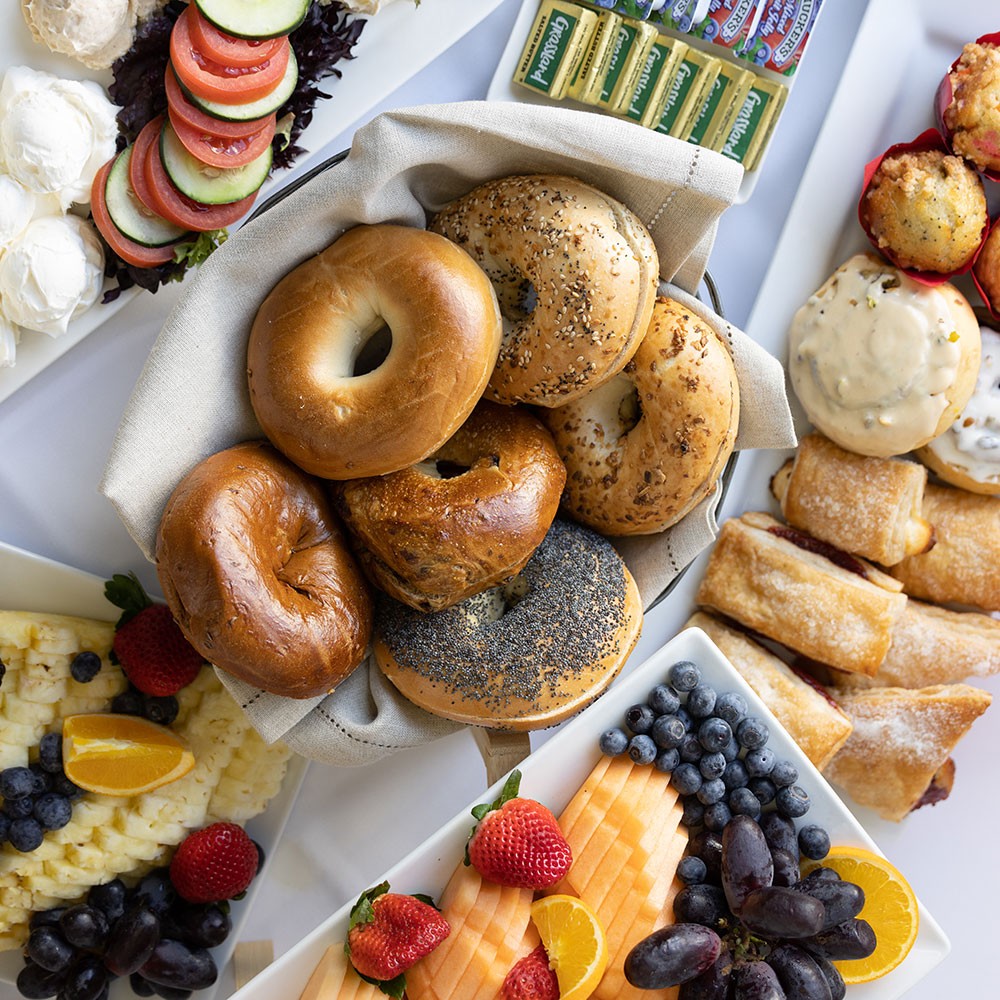
- Smoothies – Everyone needs their fruits and veggies, so why not drink them? At the base of every smoothie is of course fresh or frozen fruits (and vegetables) but it doesn’t have to stop there. Try adding Greek yogurt for a creamier taste, peanut butter for extra protein or soy or almond milk for some non-dairy smoothness.
- Muffins and quick breads – Now don’t get confused here… store bought muffins are not the healthy options we are talking about. Homemade muffins and quick breads are much better for you because you can determine what ingredients are in your muffins and quick breads.
- Frittatas and Quiches - Another great choice for breakfast when you need a quick go-to option is always quiches and frittatas. These can also be made ahead of time and eaten throughout the week. You can also make mini frittatas by using a muffin pan.
- Yogurt Parfaits – They look nice behind the glass at those fancy coffee shops, and they are super easy to make. All you need to do is combine Greek yogurt, granola and whatever fruit is in season or your favorite. Layer these ingredients as many times as you would like and dig in.
- Breakfast Sandwiches – Take some time over the weekend and prepare some quick, tasty breakfast sandwiches for the week. You can use eggs, vegetables, tofu, or virtually anything that will pack that protein for your first meal of the day. Reheat them as you are ready for them and eat them during your commute or at your desk.
Enjoy a full years subscription of Healthy Revelations and discover life-changing health secrets you won't find anywhere else.
- $240 Yearly Value
- How To Lose Weight Fast
- Healthy Eating
- Stress Relief
- Disease Prevention
- Doctor Recommendations
- Seasonal Health Tips
- And More...